The Power of Play and Social Interaction for Children with Severe Autism: Practical Strategies for Meaningful Engagement
Play is a fundamental part of childhood, but for children with severe autism, engaging in play and social interaction can be challenging. Many parents and therapists find that traditional play activities don’t naturally appeal to these children, and social interactions may be limited or avoided altogether. However, structured and individualized play strategies can significantly enhance a child’s communication, cognitive, and social skills.
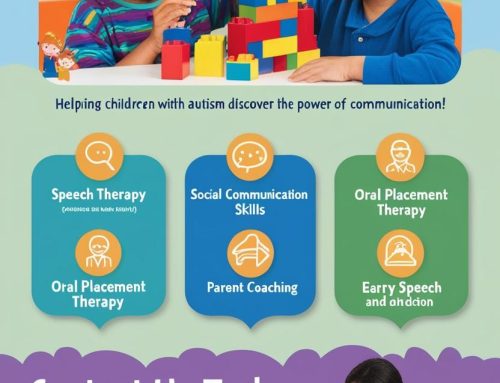
At RK’s Swara, we specialize in helping children with autism develop essential social interaction skills through carefully designed play activities. This blog will explore why play is important, common challenges, and effective strategies to foster meaningful social engagement.
Why Play and Social Interaction Matter for Children with Severe Autism
Children with severe autism often struggle with joint attention, imitation, communication, and shared experiences—all of which are essential for developing relationships. Play is not just about fun; it helps with:
✅ Communication – Encouraging gestures, vocalizations, and language.
✅ Cognitive Development – Enhancing problem-solving and flexibility.
✅ Social Connection – Building relationships with parents, peers, and therapists.
✅ Emotional Regulation – Helping children manage emotions through structured interaction.
However, without the right approach, children with autism may engage in repetitive, solitary play and struggle with turn-taking, eye contact, or cooperative play. This is why customized play strategies are necessary to bridge these gaps.
Challenges in Play and Social Interaction for Children with Severe Autism
🔴 Limited Interest in Social Play – Children may prefer playing alone, focusing on objects instead of people.
🔴 Rigid and Repetitive Play Patterns – A child may line up toys instead of using them functionally.
🔴 Difficulty Understanding Social Cues – They might not respond to gestures, facial expressions, or verbal prompts.
🔴 Sensory Sensitivities – Certain textures, sounds, or movements in play may cause discomfort or overstimulation.
🔴 Limited Imitation Skills – Imitation is the foundation of social learning, yet many children with severe autism struggle to copy others’ actions.
Understanding these challenges allows us to create structured, engaging, and individualized play experiences that meet the child’s needs while slowly expanding their ability to interact socially.
Effective Strategies to Encourage Play and Social Interaction
1. Follow the Child’s Interests to Build Engagement
Instead of imposing traditional play activities, start with what the child naturally enjoys. If they like spinning objects, use this interest to introduce cause-and-effect toys, turn-taking games, or social interaction through shared play.
🔹 Example: If a child enjoys water play, introduce floating toys where they take turns splashing with a caregiver or therapist.
2. Use Structured Play with Clear, Predictable Routines
Children with severe autism thrive on predictability. Structured play with a clear beginning, middle, and end helps reduce anxiety and increases participation.
🔹 Example: A simple, structured ball play routine
- Step 1: Therapist rolls the ball to the child.
- Step 2: Child is encouraged to roll it back.
- Step 3: Add verbal cues like “My turn” and “Your turn.”
- Step 4: Introduce variations like bouncing or tossing to extend interaction.
3. Incorporate Parallel Play Before Social Play
Many children with autism are not ready for direct interaction. Parallel play (playing side by side with the same or similar materials) helps them get comfortable with another person’s presence before engaging in cooperative play.
🔹 Example: Two children playing with the same type of building blocks separately but within proximity. A therapist can then slowly introduce interaction by exchanging blocks or copying each other’s structures.
4. Use Hand-Over-Hand and Modeling to Teach Play Skills
Many children with severe autism struggle with imitation, which is essential for learning play skills. Using hand-over-hand assistance and modeling actions can help.
🔹 Example: If a child doesn’t know how to push a toy car, guide their hands to push it while saying “Push!” over time, fade the assistance to encourage independent play.
5. Introduce Social Play with Simple Turn-Taking Activities
Many children with severe autism struggle with turn-taking. Simple games that require waiting and taking turns help build foundational social interaction skills.
🔹 Example: Turn-taking with stacking rings
- Child places a ring, then the therapist places a ring.
- Use simple words like “My turn” and “Your turn.”
- Gradually increase waiting time to develop patience.
6. Use Visual Supports and Social Scripts
Children with autism often respond well to visual cues and structured language. Using pictures, gestures, or social scripts can enhance participation.
🔹 Example: For pretend play with a toy kitchen, use picture cards that show steps like “Take the cup,” “Pour the juice,” and “Give to a friend.” This makes the activity predictable and engaging.
7. Encourage Interactive Sensory Play
Many children with autism prefer sensory-based activities over traditional pretend play. Using interactive sensory activities can increase engagement and promote shared experiences.
🔹 Examples:
✔️ Blowing bubbles and waiting for the child to pop them (builds joint attention).
✔️ Playing with kinetic sand together (encourages shared space and interaction).
✔️ Swinging on a therapy swing while taking turns pushing or stopping.
8. Gradually Expand Play Complexity
Once a child engages in simple play routines, slowly introduce new elements to encourage creativity and flexibility.
🔹 Example: If a child loves cause-and-effect toys like popping bubbles, introduce:
- Using a bubble wand instead of an automatic machine.
- Encouraging them to blow the bubbles themselves.
- Playing a bubble-popping game with another child.
This method ensures they move from passive participation to active social interaction.
Final Thoughts: Small Steps Lead to Big Progress
For children with severe autism, play and social interaction must be carefully structured, engaging, and tailored to their abilities. While progress may be slow, consistent and patient efforts can help children build essential social skills that improve their quality of life.
At RK’s Swara, we integrate play-based strategies into therapy to help children develop meaningful social connections while respecting their unique needs. By following their interests, using structured routines, and gradually expanding interactions, we can turn play into a powerful tool for growth.
🌟 If you’re a parent or therapist looking for more personalized strategies, reach out to us at RK’s Swara for expert guidance!